
Men’s Work #6: Shoulder to Shoulder
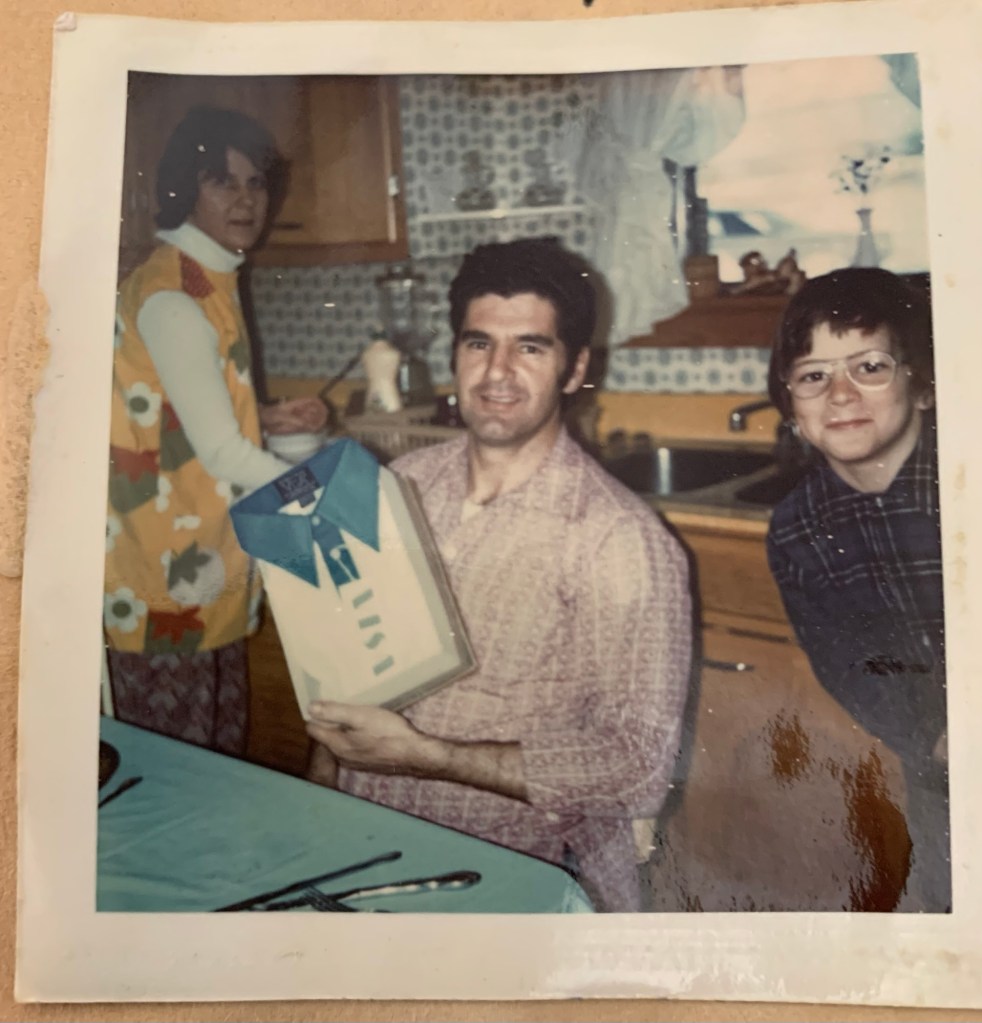
“When you coming home, Dad?”
— Harry Chapin, the song “Cats in the Cradle”
Lately I’ve been thinking a lot about fathers and sons.
From what I’ve read and learned, boys often learned what it meant to become men by spending time with their fathers. They worked together, solved problems together, and learned by doing. It was passed down shoulder to shoulder, one generation to the next.
Over time, that began to change. As work shifted from farms to factories and offices, fathers were still working hard to provide, but many had less time and energy to spend with their sons. It wasn’t just time together that was lost. Many boys also missed out on the everyday life skills, values, and quiet lessons that had once been passed from father to son.
At the same time, many boys found themselves spending more of their childhood with their mothers and with women in school. This isn’t a criticism of women. Mothers and teachers have always played an essential role in raising and guiding children. Boys need that love, support, and guidance. But boys also need good men in their lives—fathers, grandfathers, coaches, uncles, mentors, and older men who can model integrity, responsibility, kindness, and what it means to live as a good man.
That history isn’t just something I’ve read about. In many ways, I lived it.
Growing up, I didn’t have as much connection with my dad as I wish I had. He worked hard and took on extra jobs to provide for our family. By the time he got home, he was often exhausted, with only a little time to rest before doing it all over again the next day. As I got older, I realized my story wasn’t unique. I knew many other men whose fathers were doing much the same.
It wasn’t until I was older that I learned more about my dad’s story.
When my dad was around 10 years old, his father sent him to live with other farming families because he couldn’t afford to feed him. His father was a deeply flawed and often irresponsible man.
One story has always stayed with me. My dad was working out in the yard one day when his father drove by in his truck and didn’t even wave to his own son.
As painful as that was, my dad also spent time around other fathers who showed him a different way to be a man.
My dad grew up without the father he needed.
And yet…
He did better than what he received.
I’m proud of him. I love him. He did the best he could with what he experienced.
As I grew older, I realized there were things I was still searching for. Some were practical: How do you build things? Fix things? Take care of a home? Others were deeper: What values matter? How do you handle hardship? What does it mean to become a good man?
If you didn’t grow up with that kind of relationship with your father, you’re not alone. Many of us are still learning things we wish we’d been taught years ago. The good news is that it’s never too late. Healing often happens when men are willing to share their stories, pass along what they’ve learned, and help one another become better men.
Through writing, my own healing, and my experience with the ManKind Project, I discovered something important. I wasn’t alone. Many men were asking those same questions.
The good news is that I think things are changing.
Today, many fathers have more opportunities to be involved in their children’s lives. Flexible work schedules and working from home allow many dads to spend more time with their families. More fathers are coaching teams, attending school events, and simply being present.
I hope that continues.
Because sons need more than a provider.
They need a father who spends time with them, teaches them life’s practical skills, shares his values, and simply lets them know, “I’m here.”
The greatest gift a father can give his son isn’t perfection.
It’s presence.
It’s love.
We can’t change the experiences we had with our fathers. But we can hold them with love, learn from what we received, and choose what we give to the next generation.
None of us had perfect fathers. None of us will be perfect fathers. But every generation has the chance to pass something a little better to the next.
-Dwight
More on Men’s Work


Leave a Reply